
Civil Engineering is one of the oldest and broadest engineering disciplines, spanning structures, construction, transportation, water resources, geotechnical engineering, and environmental systems. But a Civil Engineering degree doesn’t mean you have to spend your career on construction sites or designing buildings. With the right specialization or postgraduate course, you can move into diverse roles across infrastructure, project management, environmental consulting, urban planning, sustainability, GIS, real estate, government, and more. Here are 15 career paths and job profiles you can explore after Civil Engineering.
1. Engineering Services Examination (ESE/IES)
One of the most prestigious government career paths for Civil Engineers. Candidates selected through ESE are appointed as Group A officers in various central engineering services, typically entering at the level of Assistant Executive Engineer (AEE) / Assistant Engineer (AE) or equivalent, depending on the service and department. They can be posted to organisations such as Indian Railways, CPWD, Central Water Engineering Services, Central Engineering Service and other government departments, with opportunities to rise to senior engineering and administrative positions over time.
2. PSUs & Government Organisations
Civil Engineers can join major organisations such as NTPC Limited, Indian Oil Corporation, ONGC, Bharat Heavy Electricals Limited, NHPC Limited, National Highways Authority of India and other infrastructure-focused PSUs and government bodies. Recruitment may be through GATE, competitive examinations or direct recruitment, with entry-level positions commonly including Graduate Engineer Trainee (GET), Engineer, Assistant Manager or Junior Manager
3. Site Engineer / Construction Engineer

One of the most common career paths for Civil Engineers, particularly in private construction and infrastructure companies. Site Engineers are responsible for supervising construction activities, coordinating contractors and labour, checking materials and quality, interpreting drawings, and ensuring work is completed safely and according to specifications. With experience, they can progress to positions such as Senior Site Engineer, Project Engineer, Construction Manager and Project Manager.
4. Design Engineer

If you prefer technical design, calculations and office-based engineering over day-to-day site work, becoming a Design Engineer can be an excellent option. Civil Design Engineers work on the design and analysis of buildings, bridges, roads and other structures, using engineering software and design codes to ensure safety and performance. With experience, you can progress to roles such as Senior Design Engineer, Design Lead, Structural Consultant or Chief Engineer.
5. Environmental Engineer
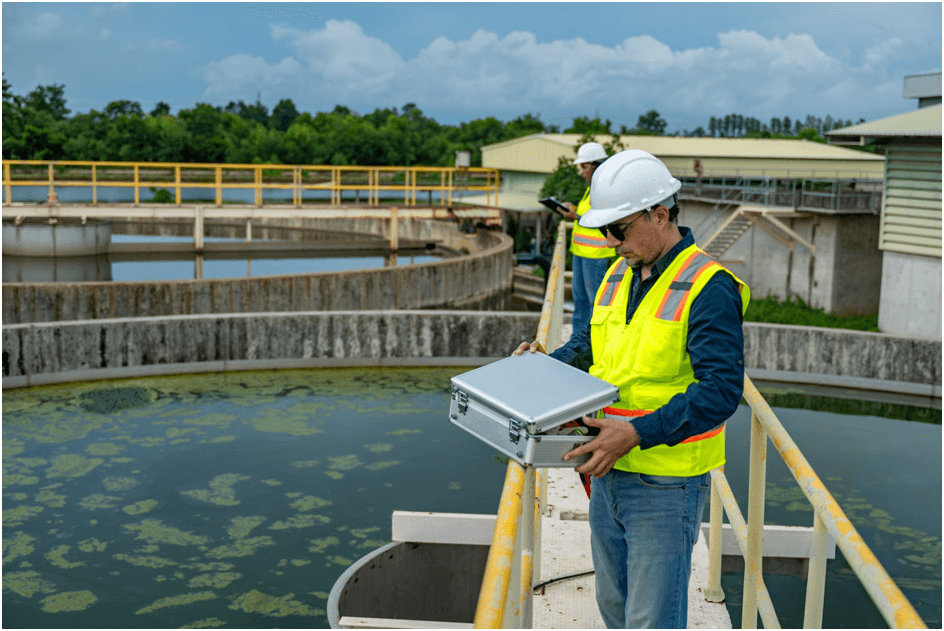
A good career path if you are interested in solving environmental pollution and public health problems. Environmental Engineers work on water and wastewater treatment, drinking-water systems, solid and hazardous waste management, air pollution control, noise pollution, environmental monitoring and pollution assessment. They can work with government agencies, industries, consulting firms, infrastructure companies and environmental laboratories, progressing into roles such as Environmental Consultant, Pollution Control Engineer, EHS Manager or Environmental Project Manager.
6. BIM Engineer
If you are interested in technology and digital construction, BIM (Building Information Modelling) is an increasingly valuable career path for Civil Engineers. BIM Engineers create and manage 3D digital models of buildings and infrastructure, coordinate structural, architectural and MEP designs, detect clashes and help teams plan construction more efficiently. With experience, you can progress to roles such as BIM Coordinator, BIM Manager, Digital Construction Manager or BIM Consultant.
7. Airport Infrastructure Engineer
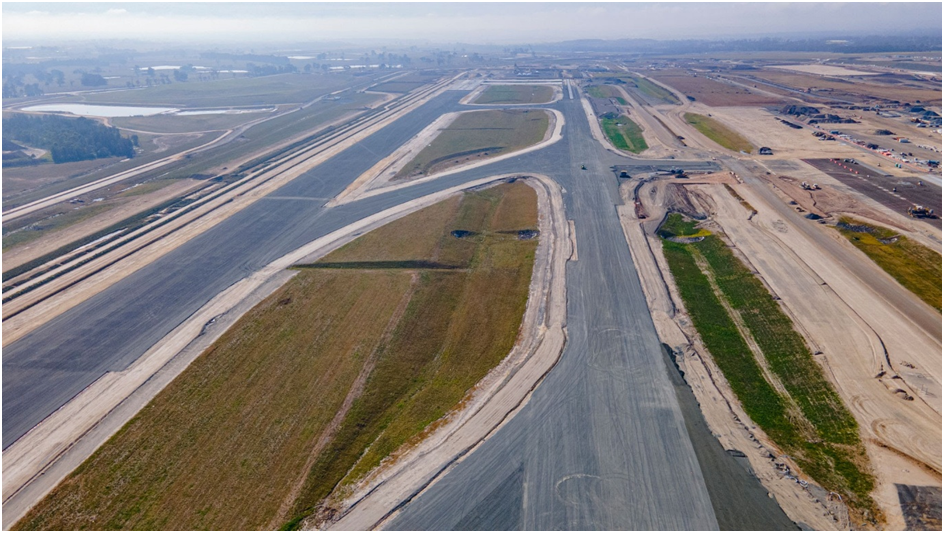
A specialised career for Civil Engineers interested in the planning, construction and maintenance of airport infrastructure. The work can involve runways, taxiways, aprons, terminal buildings, pavements, drainage systems, airside roads and other airport facilities. You can work with airport operators, government agencies, construction companies, consultants and organisations such as AAI, progressing into roles such as Airport Civil Engineer, Project Engineer, Airport Infrastructure Manager or Project Manager.
8. Disaster Risk & Resilience Engineer
A specialised career focused on making buildings, cities and infrastructure safer and more resilient against earthquakes, floods, cyclones, landslides, coastal hazards and other natural disasters. Civil Engineers in this field work on risk assessment, vulnerability analysis, resilient infrastructure design, disaster mitigation and post-disaster assessment. They can work with government agencies, disaster management authorities, infrastructure organisations, NGOs, research institutions and consulting firms, in roles such as Disaster Risk Engineer, Resilience Specialist or Disaster Management Consultant.
9. Carbon & Sustainability Consultant
A growing career path for Civil Engineers interested in the environmental performance of buildings, infrastructure and organisations. Professionals in this field work on carbon footprint measurement, greenhouse-gas inventories, life-cycle assessment, energy efficiency, green buildings, embodied carbon and decarbonisation strategies. They can work with consulting firms, construction and real-estate companies, infrastructure developers, government bodies and large corporations, progressing into roles such as Carbon Consultant, Sustainability Consultant, ESG Specialist or Decarbonisation Manager.
10. Quantity Surveyor / Cost Engineer
If you are interested in the financial and commercial side of construction, quantity surveying can be an excellent career path. Quantity Surveyors handle cost estimation, quantity measurement, tendering, budgeting, billing, procurement and cost control for construction and infrastructure projects. They work with contractors, developers, consultants and government organisations, and can progress into roles such as Senior Quantity Surveyor, Cost Manager, Commercial Manager or Project Controls Manager.
11. Marine Structures Engineer
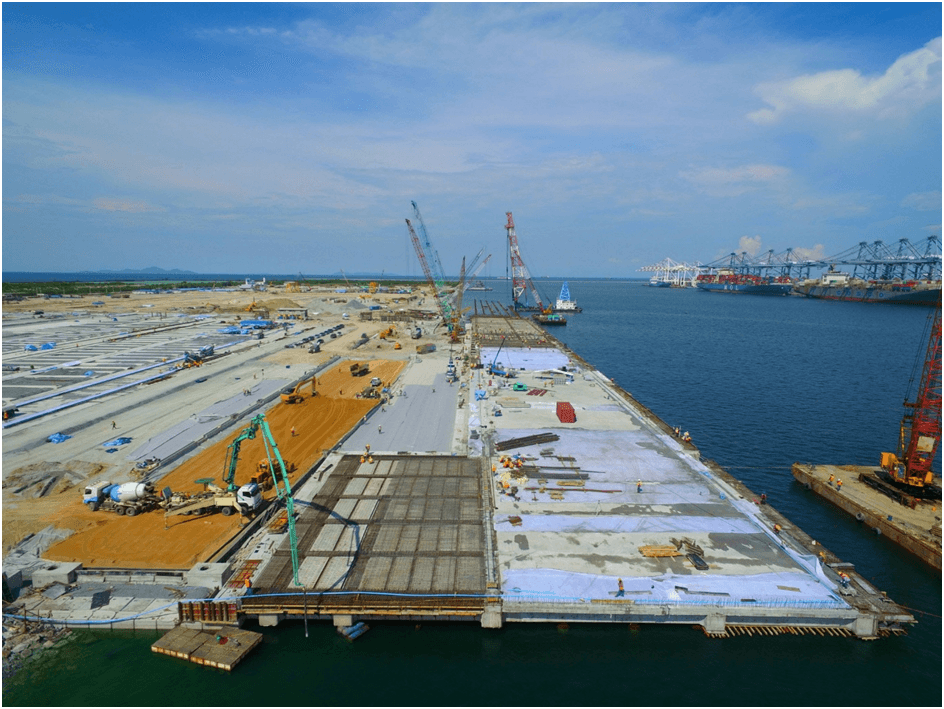
Work on infrastructure built in or around water, including ports, harbours, jetties, breakwaters, offshore structures and coastal protection systems. Civil Engineers in this field can work with port authorities, shipping and infrastructure companies, marine consultants and government organisations, progressing into roles such as Marine Structural Engineer, Coastal Engineer or Project Manager.
12. Tunnel Engineer
Specialise in the planning, design, construction and maintenance of tunnels for highways, railways, metros, water supply and other infrastructure. Tunnel Engineers work with construction companies, metro and railway organisations, infrastructure developers and specialist consultants, with opportunities to progress into roles such as Tunnel Design Engineer, Tunnel Construction Manager or Project Manager.
13. Smart City & Township Planning

A career path focused on the planning and development of large urban areas, townships and smart cities. The work can involve transportation, roads, water supply, drainage, waste management, utilities, GIS and digital infrastructure, often requiring coordination between multiple engineering disciplines. Opportunities exist with urban development authorities, real-estate developers, government bodies and planning consultants.
14. Geotechnical Engineer
Specialise in understanding soil, rock and ground conditions and how they affect infrastructure. Geotechnical Engineers work on foundation design, retaining walls, slopes, excavations, tunnels, embankments and ground improvement, and can work with construction companies, infrastructure developers, geotechnical consultancies and government organisations.
15. Professor / Academic & Research Career
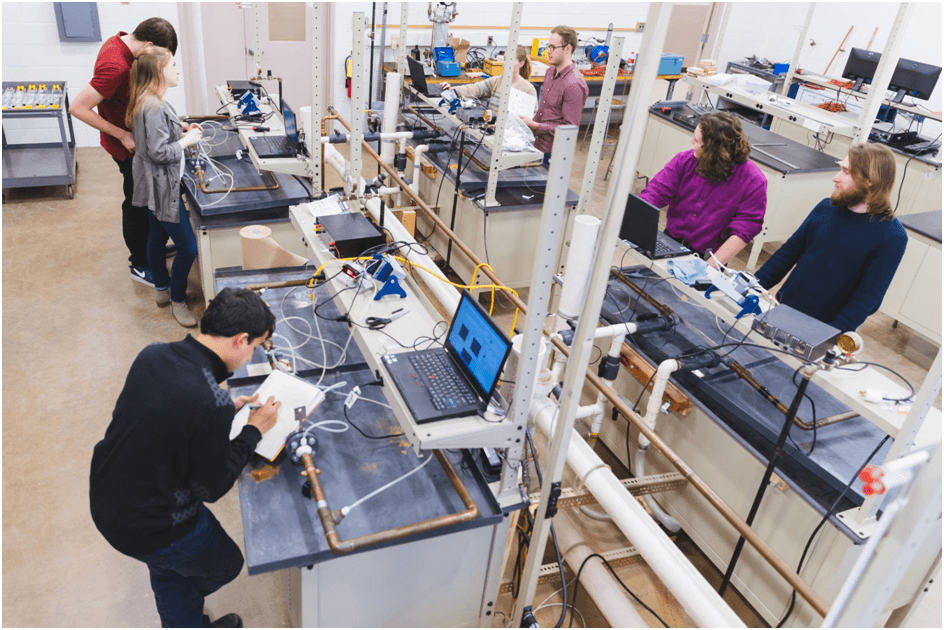
If you enjoy teaching, research and technical specialisation, academia is another career path after Civil Engineering. An M.Tech, PhD or other advanced qualification can lead to positions in universities, IITs, research institutions and engineering colleges, with career progression from Assistant Professor to Associate Professor and Professor, alongside opportunities for research and consultancy.
16. Structural / Infrastructure Health Monitoring Engineer
A specialised field focused on monitoring the condition and safety of existing infrastructure such as bridges, tunnels, dams and buildings. Engineers use sensors, instrumentation, drones, non-destructive testing and data analysis to identify deterioration and assess structural performance. These professionals can work with government infrastructure agencies, research institutions, PSUs and private engineering consultants, making it an increasingly specialised career at the intersection of civil engineering, technology and data analysis.